






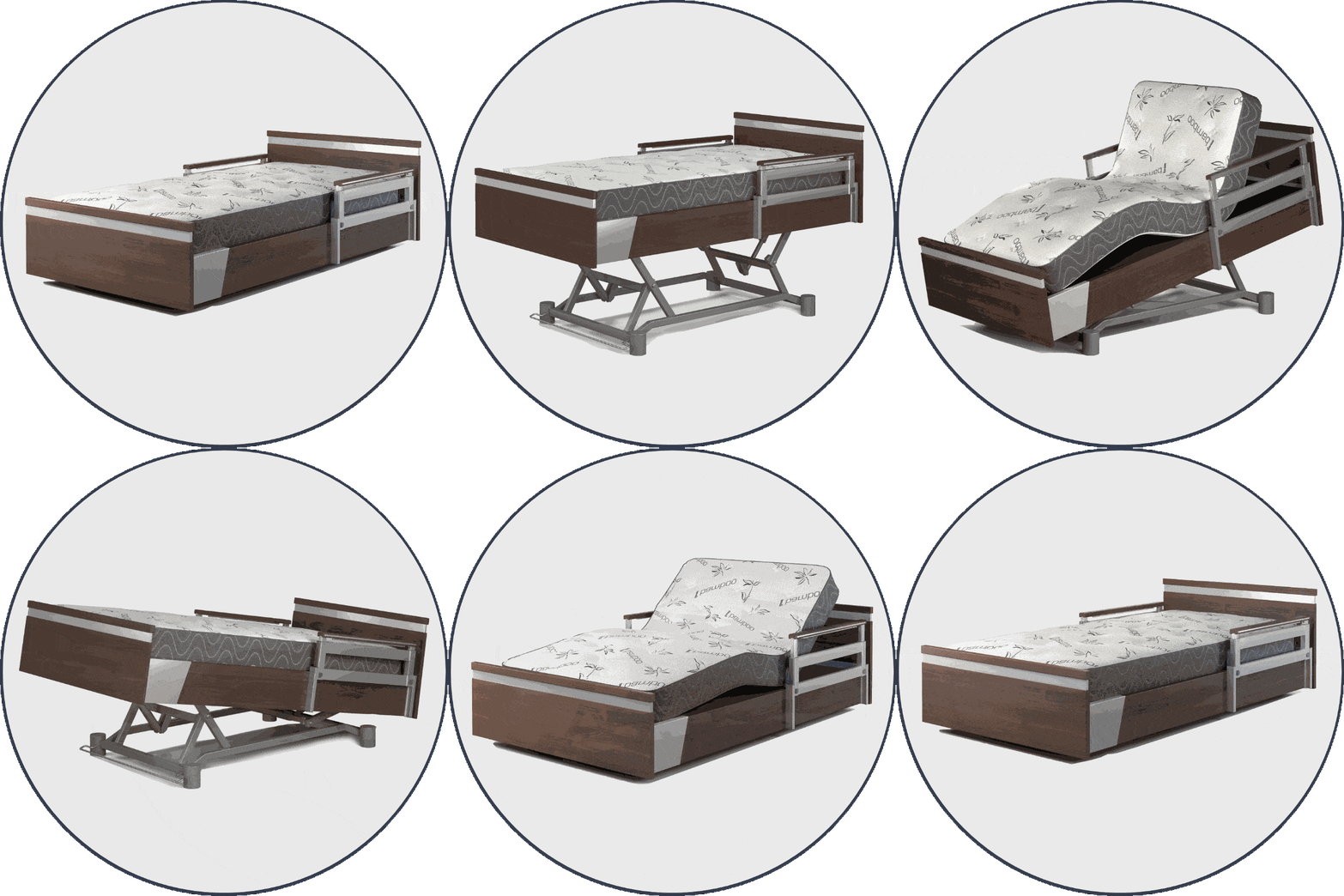
Home Hospital Beds for Duchenne Muscular Dystrophy: A Guide to Key Bed Features, Medicare & Safety
For families caring for a loved one with Duchenne Muscular Dystrophy (DMD), creating a safe and supportive home is an act of profound love. We understand how overwhelming it can feel to manage complex medical needs while striving to preserve dignity and independence. This guide is here to empower you with clarity and confidence. While a standard bed is a place of rest, it can unintentionally become a source of risk. We reframe the home hospital bed not as clinical furniture, but as a potential tool for wellness and empowerment. Within this guide, you’ll find the specific data, Medicare codes, and step-by-step checklists needed to secure a hospital bed for Duchenne muscular dystrophy that can help manage DMD’s challenges, prevent serious complications, and help your loved one live more comfortably at home.
Why a Specialized Bed is a Cornerstone of DMD Care
In DMD, progressive muscle weakness creates interconnected needs that a flat, static bed cannot address. Nocturnal breathing difficulties, a high risk for skin breakdown, and the physical demands of care all converge at the bedside. Proactive management is not just about comfort; it’s a crucial step in safeguarding health and preventing crisis. For instance, treating a single severe pressure ulcer can cost the healthcare system between $20,000 and $151,000. A specialized home hospital bed for Duchenne muscular dystrophy can be a powerful investment in preventing these costly complications, protecting the well-being of your loved one, and supporting your strength as a caregiver.
How DMD Demands Specialized Bedroom Support
Supporting Easier Breathing with Upright Positioning
As respiratory muscles weaken, individuals with DMD are at high risk for nocturnal hypoventilation—ineffective breathing during sleep. Lying flat can worsen airway obstruction and make clearing secretions difficult. Head-of-bed elevation is a gentle, first-line strategy to open airways, ease diaphragmatic movement, and is critical for the effective use of CPAP or BiPAP machines. Proper positioning may support lung expansion and can help delay respiratory crises, allowing for more restful sleep.
Protecting Skin from Pressure Injuries in DMD
With limited ability to self-reposition, individuals with DMD are at an extremely high risk for pressure ulcers (bedsores). These painful wounds develop when constant pressure cuts off blood flow to skin and tissue, especially over bony areas like the tailbone, heels, and elbows. Once formed, they are challenging to heal and can significantly impact quality of life.
Easing Discomfort for Restful Sleep
Muscle spasms, developing contractures, and general discomfort can make finding a comfortable position in a standard bed nearly impossible. This can lead to fragmented sleep, which increases daytime fatigue for everyone. The gentle adjustability of a therapeutic bed is key for providing relief, offering therapeutic stretching, and enabling the restorative rest that is so vital.
Your Essential DMD Hospital Bed Feature Checklist
Selecting a bed is about matching specific features to meaningful, real-world outcomes. The following table translates the challenges of DMD into clear, actionable bed capabilities.
Table 1: DMD Hospital Bed Feature-to-Outcome Matrix
| Feature/Accessory | Primary Outcome Addressed | Supporting Evidence |
|---|---|---|
| High-Low Mechanism | Fall prevention during transfers; reduces caregiver back injury | CDC: Adjustable-height beds reduce caregiver injury rates. |
| Head & Foot Articulation | Respiratory support (HOB elevation); edema management (leg elevation) | American Thoracic Society: Head elevation improves ventilation. |
| Trendelenburg/Reverse Trendelenburg | Circulatory support; pressure redistribution | Clinical protocols for postural hypotension and pressure relief. |
| Pressure-Redistribution Mattress | Prevents pressure ulcers | Cochrane Review: Advanced mattresses reduce ulcer incidence by 60% vs. standard foam. |
| Bedside Assistant Rails | Safe repositioning and transfer aid | OT practice framework for enhancing bed mobility independence. |
| Overhead Trapeze Bar | Patient-initiated repositioning; upper body exercise | Promotes autonomy and provides mild resistance for maintaining arm strength. |
The Critical High-Low Platform (12-28 Inch Range)
This is a foundational feature for safety and dignity.
- For Safety & Independence: Lowering the bed to a 12-inch or lower height may minimize fall risk and impact, allowing for safer and more manageable transfers.
- To Support Caregivers: Raising the bed to 28 inches (caregiver’s hip level) can eliminate constant stooping and bending, a primary cause of back and shoulder injuries, so you can provide care with less strain.
- For Lift Integration: Adequate height provides the minimum 4.5 inches of clearance required for the legs of a mobile Hoyer lift to slide underneath seamlessly.
Gentle Positioning with Profiling & Trendelenburg
- Head Elevation: Critical for easier breathing, comfortable eating, drinking, and engaging socially with family.
- Leg Elevation: Helps manage lower limb swelling and can reduce pressure on the lower back.
- Trendelenburg/Reverse Trendelenburg: These therapeutic positions can aid circulation and are used under clinical guidance for specific comfort and pressure management protocols.
Advanced Surfaces for DMD Skin Protection
A standard mattress is often insufficient. Alternating pressure air mattresses are clinically shown to be more effective for prevention. For advanced needs, automatic turning systems provide programmed, hands-free repositioning. This not only protects skin integrity but also may dramatically reduce the physical burden of nighttime turns, often improving sleep for your entire household.
Safety Modules for Caregiver Peace of Mind
- Assistant Rails/Grab Bars: Provide crucial leverage for safer repositioning and transfers.
- Bed-Exit Alarms: Offer an alert if your loved one attempts to get up unsupervised.
- Overhead Trapeze Bar: Allows for self-initiated small shifts in position, fostering a sense of autonomy and control.
Real-World Impact and Value of a Duchenne Muscular Dystrophy Bed
A specialized bed is a significant investment that may pay profound dividends by preventing far costlier complications. This table quantifies that risk mitigation, showing how specific features can protect health and resources.
Table 2: Complication Prevention & Value Analysis
| Complication / Burden | Average Cost / Impact | Bed Feature that Mitigates |
|---|---|---|
| Stage III/IV Pressure Ulcer | $20,000 – $151,000 per ulcer in treatment costs | Pressure-redistribution mattress; automatic turning |
| Respiratory Failure ICU Admission | >$35,000 per hospital stay | Head articulation for nocturnal positioning & BiPAP synergy |
| Caregiver Back Injury | Lost wages, pain, reduced care capacity | High-low mechanism for ergonomic care |
| Fall-Related Fracture | Surgery, rehab, increased dependency | Ultra-low height setting; assistant rails |
| Caregiver Burnout from Repositioning | Sleep deprivation, chronic strain | Automatic turning system; trapeze bar for patient help |
Supporting Respiratory Health at Home
Proactive head elevation can help maintain an open airway and improve breathing efficiency. By supporting respiratory health at home, you may help delay or reduce the frequency of hospital admissions for respiratory crises, each of which can cost over $35,000 in ICU care.
The Powerful Economics of Pressure Ulcer Prevention
The cost range for treating a severe ulcer ($20,000 to $151,000) starkly outweighs the investment in a premium bed and support surface. These statistics show why this investment matters—prevention is clinically, ethically, and financially the best path forward.
Caring for the Caregiver with Ergonomic Design
The high-low function is a direct tool to help prevent caregiver injury. Automatic turning may transform a physically demanding, sleep-interrupting task into hands-free care, preserving your health and energy—the most precious assets in your loved one’s care team.
Non-Negotiable Safety: Managing Hospital Bed Entrapment Risks
Understanding the Stark Reality of Entrapment Risks
Entrapment occurs when a body part gets caught between the bed rail, mattress, or frame. The data underscores the need for vigilance:
- FDA (1985-2006): 691 reported incidents, resulting in injuries.
- UK MHRA (2018-2022): over 80 injuries from entrapment and falls.
Those with smaller or atypical body anatomy, often seen in progressive conditions, are at higher risk. The FDA identifies 7 potential entrapment zones (e.g., between rail bars, between rail and mattress).
Your Safety Mitigation Checklist (With Responsible Parties)
Armed with this specific data, you can implement a clear safety plan:
- Procurement (Supplier/DME Provider): Verify the bed system complies with the FDA “Hospital Bed System Dimensional and Assessment Guidance to Reduce Entrapment.” For pediatric-sized users, inquire about compliance with the international standard BS EN 50637:2017 for pediatric medical beds.
- Risk Assessment (OT/PT/Caregiver): Perform a documented entrapment risk assessment before first use and after ANY change (new mattress, rail adjustment).
- Maintenance (Supplier/Caregiver): Implement a regular schedule to check motor function, rail locks, and structural integrity.
- Training (Supplier/Clinician): Train ALL caregivers on entrapment risks, proper rail use, and bed operation.
- Monitoring (Lead Caregiver): Conduct quarterly gap checks in all 7 zones, especially after mattress replacement or repositioning.
Navigating Medicare Coverage & Costs for DMD (NCD 280.7)
Decoding Medicare NCD 280.7 for Hospital Beds
Coverage is under Medicare Part B (Durable Medical Equipment) governed by National Coverage Determination (NCD) 280.7. Approval hinges on a physician’s detailed documentation proving medical necessity. All four of these criteria do not need to be met, but documentation should support as many as possible:
- Positioning Need: Your loved one requires positioning (e.g., for pain, contractures, breathing) that cannot be achieved in a regular bed.
- Special Attachments: Your loved one needs a trapeze or other attachment that cannot be fixed to a standard bed.
- Frequent Position Changes: Their condition requires frequent position changes that cannot be performed by a caregiver in a regular bed.
- Head Elevation Above Heart: A cardiac or respiratory condition requires head elevation above the level of the heart.
Key Medicare Codes:
- E0255: Hospital bed, semi-electric (head/foot elevation electric, height manual). Covered if any articulation is needed.
- E0260: Hospital bed, fully electric (all functions electric). Covered if your loved one can self-operate controls or needs frequent repositioning.
- E0277: Powered pressure-reducing air mattress. Covered if your loved one is completely immobile or has a stage III/IV ulcer.
Building a Strong Case for DMD Medicare Coverage
There is no explicit DMD-specific policy, so building a bulletproof case is key.
- Actionable Strategy: Use documentation templates that cite DMD-specific needs. Example: “Patient with DMD requires head elevation >30 degrees at all times for nocturnal ventilatory support with BiPAP to prevent hypoventilation. This positioning is not feasible or sustainable in a standard bed.” Include supporting notes from PT/OT.
- Appeal Path: Denials are common on first pass. Be prepared to appeal with layered clinical justification from your entire care team.
Navigating Private Insurance & Cash Options for DMD
Commercial Insurance Workflow for Hospital Beds
Unlike Medicare’s rigid NCD 280.7, private insurers (e.g., Aetna, BCBS, UHC) often use proprietary “Medical Necessity” guidelines. While they often mirror Medicare’s core criteria, they may offer more flexibility for “safety beds” or specific DMD needs if the case is argued correctly.
- Prior Authorization (PA): Almost always required. Your DME provider submits this before delivery. It hinges on the “Letter of Medical Necessity” (LMN).
- The “Least Costly Alternative” Rule: Insurers will approve the cheapest item that meets the basic medical need. You must prove why a standard semi-electric bed fails (e.g., “Standard rails create an entrapment risk for this patient due to limited mobility”).
- Rent-to-Own Structure: Most commercial plans rent the bed for 10–13 months. If the patient still needs it (which is permanent for DMD), title transfers to you. Do not cancel insurance coverage during this rental period.
- Network Matters: You must usually use an “In-Network” DME supplier. Going out-of-network often results in 0% coverage or significantly higher deductibles.
Strategic Documentation for Private Payers:
- Address “Convenience” Exclusions: Pre-emptively argue that features like “hi-low” (variable height) are not for caregiver convenience but are medically necessary for safe transfers to prevent patient falls and injury.
- Safety Bed Criteria: For enclosed beds (e.g., cubby beds), private insurers often require proof of “unsafe behavior” or “entrapment risk.” For DMD, frame this as “passive safety needs due to immobility” rather than behavioral issues.
The “Upgrade” Path (ABN / Retail)
If insurance only covers a basic E0260 (semi-electric) but you want a fully electric or home-style bed:
- Capped Rental + Cash Upgrade: Some suppliers allow you to bill insurance for the allowable amount of a basic bed and pay the difference for a premium model out-of-pocket. This is often called an “Upgrade Waiver” or ABN (Advance Beneficiary Notice) situation.
- Cash Pay Leverage: If paying 100% cash (denied or no coverage), ask for the “Patient Pay Price” (often 30-40% lower than the “billed” insurance rate).
Your DMD Bed Implementation Blueprint: From Delivery to Daily Use
Preparing the Bedroom Space for a Hospital Bed
- Clearance: Ensure at least 4.5 inches of vertical clearance under the bed frame for Hoyer lift legs.
- Pathways: Plan 360-degree access around the bed (minimum 36-inch wide pathways). Consider door widths for delivery.
- Environment: Install wall-mounted grab bars, ensure gentle, adequate lighting, and plan for nearby placement of ventilators, suction machines, and communication devices to create a holistic care space.
Caregiver Training and Ongoing Safety Audits
Initial Training (Supplier should provide): Ergonomic use of high-low function, operation of all motors/positions, use of alarms, integration with patient lifts, and emergency battery backup procedure.
Quarterly Safety Audit (Lead Caregiver):
- Entrapment Check: Measure gaps in all 7 FDA zones with a ruler.
- System Check: Test battery backup, remote controls, and alarm functions.
- Refresher: Review emergency lowering procedures and repositioning techniques with all care team members.
Conclusion: An Investment in Dignity, Independence, and Well-being
Choosing a home hospital bed for a loved one with Duchenne Muscular Dystrophy is one of the most consequential and caring decisions you can make for their long-term comfort. It is a direct investment in preventing painful complications, protecting your own well-being as a caregiver, and most importantly, enhancing the quality of life, autonomy, and restorative rest for your loved one. By using this guide—with its specific data, checklists, and coverage tactics—you can move forward with confidence, securing a tool that manages medical needs while helping make home a safer, more comfortable, and more dignified sanctuary for living well.
References & Sources
- Home adaptations for Duchenne muscular dystrophy https://musculardystrophynews.com/duchenne-muscular-dystrophy-home-adaptations/
- DMD Care – treat-nmd https://www.treat-nmd.org/resources-and-support/care-guides/dmd-care/
- How Can Hospital Beds Help Muscular Dystrophy? – SonderCare https://www.sondercare.com/learn/hospital-beds/how-hospital-beds-help-muscular-dystrophy/
- American Journal of Respiratory and Critical Care Medicine https://www.atsjournals.org/doi/10.1164/rccm.200307-885ST
- Home adaptations for Duchenne muscular dystrophy https://musculardystrophynews.com/duchenne-muscular-dystrophy-home-adaptations/
- Beds, overlays and mattresses for preventing and treating pressure ulcers – PMC https://pmc.ncbi.nlm.nih.gov/articles/PMC8407250/
- Home adaptations for Duchenne muscular dystrophy https://musculardystrophynews.com/duchenne-muscular-dystrophy-home-adaptations/
- How Can Hospital Beds Help Muscular Dystrophy? – SonderCare https://www.sondercare.com/learn/hospital-beds/how-hospital-beds-help-muscular-dystrophy/
- American Journal of Respiratory and Critical Care Medicine https://www.atsjournals.org/doi/10.1164/rccm.200307-885ST
- A Guide for Modifying Bed Systems and Using Accessories to Reduce Risk of Entrapment – FDA https://www.fda.gov/medical-devices/hospital-beds/guide-modifying-bed-systems-and-using-accessories-reduce-risk-entrapment
- National Patient Safety Alert: Medical beds, trolleys, bed rails, bed grab handles and lateral turning devices – UK MHRA https://www.gov.uk/drug-device-alerts/national-patient-safety-alert-medical-beds-trolleys-bed-rails-bed-grab-handles-and-lateral-turning-devices-risk-of-death-from-entrapment-or-falls-natpsa-slash-2023-slash-010-slash-mhra
- NCD Hospital Beds (280.7) – CMS https://www.cms.gov/medicare-coverage-database/view/ncd.aspx?NCDId=227
- Home adaptations for Duchenne muscular dystrophy https://musculardystrophynews.com/duchenne-muscular-dystrophy-home-adaptations/